

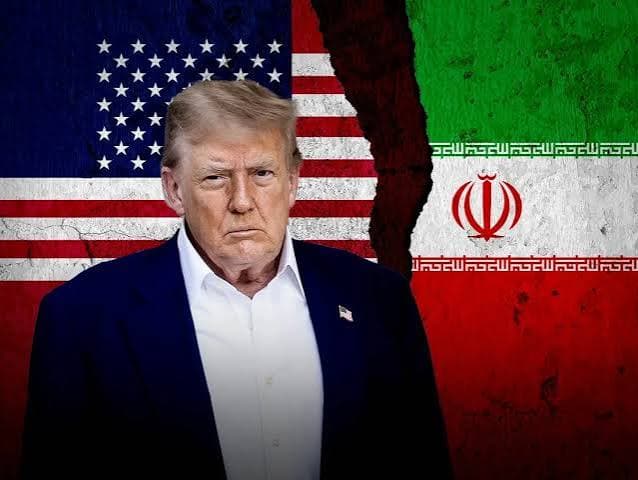
US President Donald Trump has rejected an Iranian proposal that Tehran said could restore normal shipping through the Strait of Hormuz within seven days, leaving the strategic waterway at the centre of a diplomatic standoff between Washington and Tehran.
Iran presented the proposal through mediators, including Qatar, after nearly seven months of conflict. The plan linked the reopening of the strait to a ceasefire, the lifting of the US naval blockade on Iranian ports, relief from sanctions on Iranian oil sales and the release of frozen Iranian assets.
Trump rejected the proposal on Saturday, saying the terms were not acceptable. He argued that Iran was seeking an agreement because of the economic pressure created by the US blockade and sanctions.
“They want to make a deal where they open the Strait immediately because they’re losing so badly,” Trump told reporters.
He said he was open to an agreement with Tehran but considered the proposal unacceptable in its current form.
What Iran proposed
Iranian Foreign Minister Abbas Araghchi said Tehran had submitted a concrete seven-day roadmap to the United States through Qatar.
Under the proposal, a ceasefire covering the wider Middle East would take effect first. Iran said the Strait of Hormuz could then be reopened to normal maritime traffic within seven days, with negotiations on a broader agreement resuming thereafter.
The proposal also included demands for Washington to lift its naval blockade, ease sanctions on Iranian oil exports and release frozen Iranian assets. Araghchi said the conditions were based on terms contained in a memorandum of understanding previously agreed between the two countries.
Iranian President Masoud Pezeshkian said the proposal had been developed in coordination with Supreme Leader Mojtaba Khamenei.
Tehran has maintained that it remains open to negotiations but does not accept an agreement reached under military pressure. Pezeshkian has also said Iran no longer trusts Washington because previous diplomatic efforts were followed by renewed attacks and sanctions.
Why Trump rejected it
Trump's public explanation centred on the terms and the balance of pressure between the two sides.
The US position is that reopening Hormuz should not come simply in exchange for concessions that Washington considers insufficient. US officials have also maintained that any broader agreement must address Iran's nuclear programme.
US officials told the Wall Street Journal that Trump remained sceptical that Tehran would meet US demands and was considering further military action if negotiations fail. The report said his position could still change as diplomatic efforts continue.
A White House official had earlier described discussions conducted through mediators as “positive and constructive”, indicating that diplomatic channels remained open despite the rejection of the proposal.
Trump has also said the United States is not under pressure to reach an agreement, arguing that Washington has significant control over the maritime situation around Hormuz.
That position contrasts with Tehran's approach, which seeks to make the reopening of the waterway part of a wider ceasefire and negotiated settlement.
Hormuz remains the key pressure point
The Strait of Hormuz is central to the dispute because of its importance to global energy trade.
The waterway has remained largely closed to normal international shipping during the conflict, disrupting oil flows and adding pressure to energy markets. Iran has linked the status of the strait to the wider military confrontation, while Washington has sought to use the blockade and economic pressure to force concessions from Tehran.
Iran says it can restore normal passage if the conditions for a settlement are met. Araghchi said the decision now rests with Washington but warned that Tehran would not abandon its conditions under pressure.
The issue has also drawn concern from Gulf states. Saudi Foreign Minister Faisal bin Farhan told the United Nations that vital waterways such as Hormuz and the Bab el-Mandeb should not be used as instruments of political pressure or threats to other states.
Russia has also indicated a willingness to contribute to efforts aimed at stabilising the region.
What happens next
Trump's rejection does not necessarily end the diplomatic process.
Iran has said it is waiting for an official US response through mediators before deciding its next move. Araghchi said Tehran had seen Trump's public comments but would assess the formal response before taking a position.
The Wall Street Journal reported that Trump expects a possible return to military action after the November US midterm elections has added uncertainty to the negotiations, although the report also noted that his position could change.
For the energy market, the outcome of the standoff remains closely tied to the future of the Strait of Hormuz. A negotiated reopening would ease one of the major constraints on regional oil shipments, while continued restrictions would keep the waterway at the centre of concerns over global energy supplies.
For now, however, Washington and Tehran remain divided over the terms required to restore normal shipping through the strait and reach a broader settlement.