

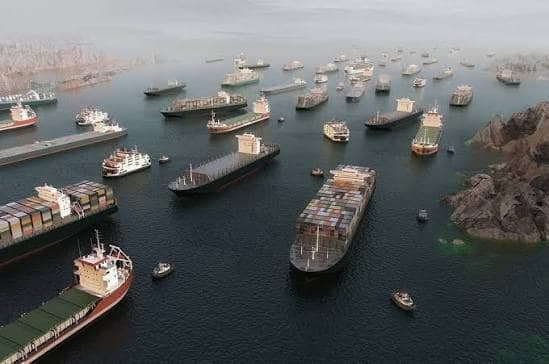
Traffic through the Strait of Hormuz remains severely disrupted, raising fresh concerns over global energy supplies and shipping costs even as markets continue to price in the possibility of an eventual reopening of the strategic waterway.
As at the time of writing, 06:29 am (WAT), Brent crude was trading at $88.04 per barrel, up 0.36 per cent, while West Texas Intermediate (WTI) stood at $82.50, gaining 0.45 per cent. Murban crude was quoted at $84.90, up 5.79 per cent, while natural gas declined 0.64 per cent to $2.776.
The latest price movement comes against a backdrop of continued uncertainty around Hormuz, with shipping traffic yet to return to normal despite reports that Iran and Oman are moving closer to an arrangement that could facilitate the resumption of vessel movements through the chokepoint.
The disruption is extending beyond crude oil flows, with tanker availability, freight costs and inventories also coming under pressure. The latest Bloomberg data cited in the source indicated that Hormuz transits remained largely disrupted, highlighting the difference between expectations of a diplomatic breakthrough and an actual recovery in physical shipping.
UBS's Global Supply Chain Stress Index showed that supply-chain pressures eased modestly in July from their June peak but remained significantly above pre-conflict levels. The median reading stood at 1.26 standard deviations, 0.9 standard deviation above the level recorded before the Iran conflict.
Energy transportation remains one of the areas most directly affected. UBS data showed that oil and gas shipping volumes in Asia had recovered about half of the decline recorded following the closure of the Strait, while broader cargo shipping volumes remained relatively stable.
The recovery has also been uneven across logistics markets. Lower air-freight costs provided some relief in July, but shipping costs increased again across major indicators, including the Baltic, Harper Petersen, Drewry and Freightos measures, pointing to renewed pressure on maritime transportation.
The prolonged disruption means the effects of the Hormuz crisis could persist even if the waterway is reopened. Restoring normal tanker movements would not immediately rebuild depleted inventories, reduce freight costs or return delivery schedules to their pre-conflict levels.
For energy markets, the immediate concern is therefore the pace at which physical flows can recover. Any further delay in restoring tanker traffic could intensify pressure on crude and refined-product supply chains, while a renewed escalation could quickly reverse the limited improvement recorded in some logistics indicators.
With Brent approaching the $90 per barrel threshold, the market is increasingly focused on whether diplomatic efforts can translate into a sustained reopening of Hormuz. Until shipping volumes, freight rates and energy flows normalise, the disruption will remain a significant risk to global supply chains and energy costs.