

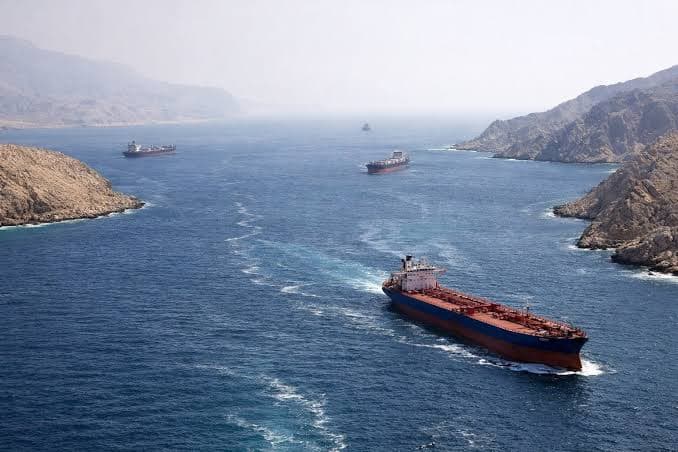
Commercial shipping through the Strait of Hormuz has fallen to just four vessel movements, keeping traffic at single-digit levels as renewed attacks and heightened security risks continue to deter operators from using the critical oil corridor.
Preliminary shipping data showed two vessels entered the strait and two exited on Tuesday, down from seven crossings a day earlier and well below the 10-day average of 18. None of the vessels recorded was a very large crude carrier (VLCC) or an LNG tanker.
The latest figures highlight the extent to which maritime traffic remains suppressed through a waterway that handled about one-fifth of global oil and liquefied natural gas supplies before the conflict.
Among the vessels tracked leaving the strait was the very large gas carrier Salute, carrying about 470,000 barrels of liquefied petroleum gas. The Panamax-sized Nautilus also exited with roughly 510,000 barrels of naphtha, using a route that was not openly tracked.
The two vessels entering the waterway were a short-range dirty-products tanker and a dry-bulk carrier. Both used the Iranian route, according to the preliminary tracking data.
The figures do not capture every vessel movement because some ships can disable their transponders while navigating the strait. Windward separately recorded only one tanker entering Hormuz on September 15, identifying it as an oil-products carrier.
Shipping activity has weakened as vessel owners and energy exporters face renewed military risks, including attacks on commercial tankers and growing threats around other regional chokepoints.
The situation has been further complicated by the renewed Houthi offensive in Yemen. The Iran-aligned group has expanded attacks against Saudi targets, including energy infrastructure, after fighting intensified in the region.
A recent attack on Saudi Arabia's East-West pipeline has disrupted the country's alternative route for moving crude to the Red Sea, with reports of crude-loading cancellations from Yanbu. Saudi Arabia has been considering greater use of Hormuz to compensate for disruptions to the pipeline, but the depressed traffic through the strait raises questions over how quickly additional volumes could be moved through the waterway.
The timeframe for repairing the East-West pipeline remains uncertain, with estimates ranging from several days to several weeks.
The decline in Hormuz traffic has also been building over several weeks. Ten-day moving averages that were previously in double digits have now fallen below 10 in recent days, underscoring the sustained reduction in visible commercial movements.
Even if additional vessels are passing through with their tracking systems switched off, the available data indicates that traffic remains substantially below normal levels.
The slowdown is likely to remain a key concern for global energy markets because reduced vessel movements can constrain the transportation of crude, refined products, LPG and LNG even when some cargoes continue to move through alternative or controlled routes.
The Bab el-Mandeb Strait, another major regional shipping chokepoint, recorded 22 vessel movements on Tuesday, compared with 24 the previous day, according to the latest tracking data.
The combination of subdued Hormuz traffic, attacks on energy infrastructure and continuing threats around regional shipping routes leaves global energy traders and shipping operators facing elevated uncertainty over the movement of Gulf petroleum supplies.