

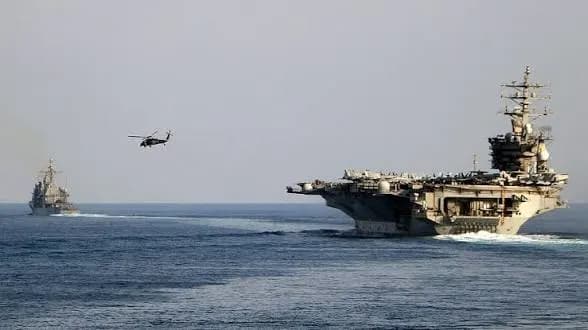
The crisis in the Strait of Hormuz has evolved into one of the most defining energy disruptions of this decade, exposing just how fragile global oil supply routes can be. What should have been a strategic waterway ensuring steady energy flows has instead become a pressure point, with the ongoing Middle East conflict turning it into a zone of uncertainty and fear for global shipping.
The closure of the Strait has not come through a traditional blockade but through a calculated mix of disruptions. Iran has deployed a combination of drone and missile strikes on vessels, naval mines across key transit paths, and sophisticated electronic warfare, including GPS jamming and spoofing. This has made navigation increasingly dangerous, with ships unable to rely on accurate positioning in one of the busiest and narrowest shipping lanes in the world.
Beyond physical threats, the financial layer has proven just as decisive. War-risk insurers have either withdrawn coverage or priced it beyond viability, effectively grounding commercial shipping. Without insurance, tanker operators are unwilling to risk entry, creating a situation where the Strait is technically open but practically closed a far more complex challenge than a visible military blockade.
Reopening the Strait presents an equally complicated task. Military options such as escorting vessels, conducting air strikes, or deploying ground forces along Iran’s coastline have all been considered, but each comes with high risk and limited guarantees. Even in the best-case scenario, only a fraction of normal traffic may resume, while the threat of mines and intermittent attacks would continue to undermine confidence.
In practical terms, a lasting solution is more likely to come from diplomacy than force. A political settlement that de-escalates tensions and restores confidence among insurers and shipping operators remains the most realistic path. Until then, the global oil system will continue to operate under strain, with supply gaps, price volatility, and ripple effects felt across markets including Nigeria, where fuel pricing remains tightly linked to global crude movements.