

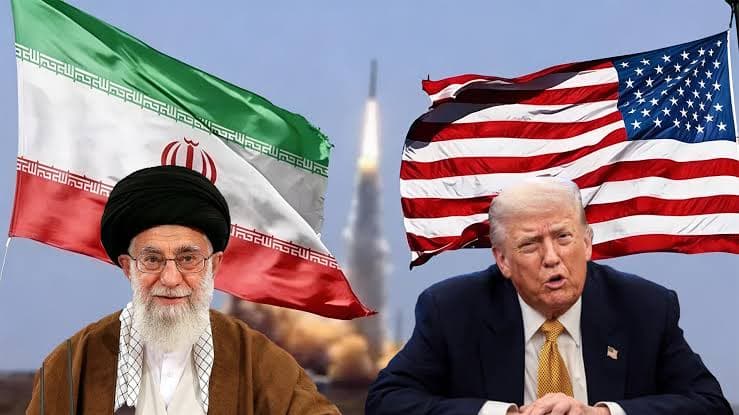
Iran has said the Strait of Hormuz could reopen within six days if the United States accepts Tehran’s conditions, with negotiations expected to resume the following day under a proposal aimed at resolving the dispute between the two countries.
Iranian Foreign Minister Abbas Araqchi reiterated the offer on Sunday while speaking to Iranian media in Baghdad, where he was attending a meeting of the Organisation of Islamic Cooperation (OIC), according to Reuters.
Araqchi said Iran’s proposal, which offers to reopen the strategic waterway within seven days, remains available despite disagreements over the U.S. response to Tehran's terms.
He said the United States had submitted comments on the proposal, which Iran was reviewing, but questioned Washington’s willingness to reach an agreement.
Iran submitted the plan in mid-September after an interim ceasefire collapsed. Although Tehran subsequently acknowledged receiving a response from the U.S., negotiations have stalled over disagreements concerning the conditions for reopening the waterway.
Iran’s security chief said last week that the U.S. response was insufficient because it failed to address all seven conditions set by Tehran.
Iran’s demands include lifting the U.S. blockade on its ports, removing sanctions on its oil exports and ending hostilities across all regional fronts.
A major point of disagreement is the timing of discussions on Iran’s nuclear programme. The U.S. wants the issue addressed from the outset, while Tehran insists that initial negotiations should prioritise reopening the Strait of Hormuz and restoring security along the maritime route.
U.S. Vice President JD Vance said earlier this month that Iran must make a meaningful reduction in its uranium enrichment capacity to meet Washington’s demands and bring the eight-month war between the two countries to an end.
Tehran, however, maintains that negotiations should initially focus on restoring access to the strategic waterway before addressing other outstanding issues.
The Strait of Hormuz is a critical global energy corridor that handled approximately one-fifth of worldwide oil and liquefied natural gas (LNG) trade before the war.
Its continued disruption has raised concerns about international energy supplies, placing the waterway’s reopening at the centre of diplomatic efforts to reach a broader settlement between Iran and the United States.
Araqchi’s latest remarks indicate that Tehran remains willing to pursue its proposed timetable, but progress depends on whether Washington accepts the conditions attached to the offer.