

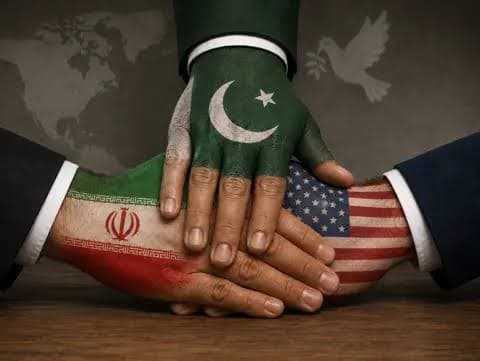
A renewed diplomatic initiative led by Pakistan and backed by China helped cool global oil markets on Friday, as reports that both countries are seeking to restart negotiations between the United States and Iran prompted traders to scale back geopolitical risk premiums that had driven crude prices sharply higher.
Brent crude settled at $96.78 per barrel, down nearly 4 percent, while U.S. benchmark West Texas Intermediate (WTI) fell 3 percent to $89.31 per barrel, reversing part of this week's rally.
The decline followed a Reuters report citing sources familiar with the discussions, who said Pakistan is working to facilitate fresh dialogue between Washington and Tehran, with Beijing supporting the initiative as concerns mount over the economic impact of prolonged disruptions across key Middle East oil shipping routes.
According to one Pakistani government official quoted by Reuters, China has become increasingly uneasy that Iran's attacks on Gulf states and the continued disruption around the Strait of Hormuz are beginning to affect its strategic and commercial interests.
The report marked the first significant diplomatic development after nearly two weeks of escalating military exchanges that have unsettled global energy markets and pushed crude prices to multi-month highs.
Despite Friday's pullback, crude remained on course for substantial weekly gains. Brent advanced about 10 percent over the week, while WTI gained approximately 8 percent, reflecting persistent concerns over global oil supplies.
Military tensions nevertheless remained elevated.
The U.S. Central Command confirmed it completed its 13th consecutive night of air strikes on Iranian military infrastructure, targeting command centres, drone facilities, communications networks, coastal surveillance systems and maritime assets.
Washington said the operations were intended to further reduce Iran's ability to threaten commercial shipping through the Strait of Hormuz, while maintaining that international vessels continue to transit the waterway with U.S. military support.
Meanwhile, U.S. President Donald Trump indicated that Washington could further intensify military operations, saying he was considering an attack on Iran "bigger than ever before" if hostilities continue.
The latest diplomatic effort also comes after Yemen's Iran-backed Houthi movement expanded attacks on commercial shipping in the Red Sea, including claims that it struck two Saudi oil tankers after announcing a naval blockade targeting Saudi exports. Iran's Revolutionary Guard also claimed responsibility for attacks on U.S. military facilities in Jordan, underscoring the widening scope of the conflict.
Analysts said Friday's decline reflected cautious optimism that renewed diplomacy could eventually reduce tensions, although they warned that physical supply risks remain unresolved.
Daniela Hathorn, Senior Market Analyst at Capital.com, said disruptions across the Red Sea and the Strait of Hormuz continue to support a significant geopolitical premium in oil prices, while UBS Global Wealth Management cautioned that restoring normal crude flows across the region could take longer than markets currently expect because tanker movements into the Gulf remain constrained.
While the diplomatic initiative provided temporary relief for oil markets, traders are expected to continue monitoring both negotiations and military developments, with crude prices likely to remain highly sensitive to any shift in the Middle East conflict.