

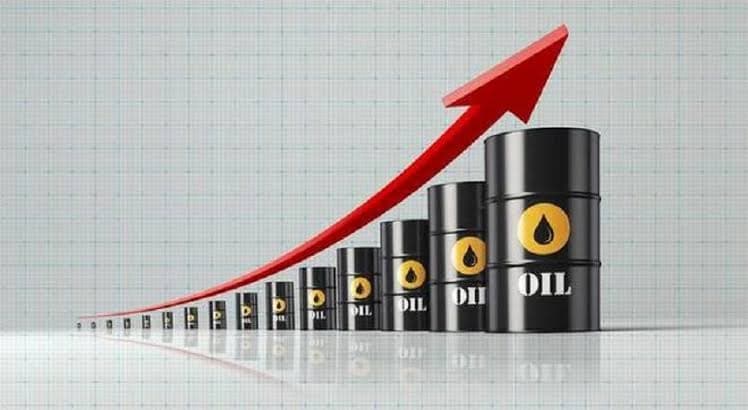
Crude oil prices jumped more than 2% on Thursday as intensifying attacks on tankers transiting the Strait of Hormuz heightened concerns over global oil supply, while the threat of a hurricane in the US Gulf of Mexico added another layer of disruption risk to the market.
At the time of writing 06:50am (WAT), Brent crude was trading at $102.60 per barrel, up 2.43%, while West Texas Intermediate (WTI) stood at $90.22, representing a 2.20% gain.
The latest rally followed reports that attacks on oil, liquefied natural gas and liquefied petroleum gas tankers around the Strait of Hormuz reached their highest weekly level since the Iran war began.
At least 12 attacks were recorded between September 28 and October 5, according to maritime security sources tracking incidents around the strategic waterway. The incidents include attacks, attempted attacks and harassment involving drone overflights, surveillance and radio hailing of vessels.
The heightened security threat has already affected tanker movements through Hormuz. Data from Kpler showed that tanker traffic through the waterway fell sharply, with flows on Tuesday reaching their lowest level since late July, increasing concerns over the ability of Gulf producers to sustain crude exports through the route.
The development is particularly significant because the Strait of Hormuz remains a critical export corridor for Gulf producers. With limited alternative routes capable of moving comparable volumes to international markets, producers face the difficult choice of maintaining shipments despite the growing risk to vessels and crews.
“ In the past, such attacks have resulted in a reduction in shipments from the Persian Gulf. This time around, producers appear to be willing to take the risk of their vessels being damaged, as there is no alternative way to get their oil to international markets,” ANZ analyst Daniel Hynes said, according to Reuters.
The oil market is also pricing in a separate supply risk in the United States, where Gulf of Mexico field operators have begun shutting in production ahead of a potential hurricane. The prospect of disruptions to both Middle Eastern exports and US offshore output is strengthening the risk premium across crude benchmarks.
The latest price surge comes after oil had come under pressure from plans by the Group of Seven to release 100 million barrels of crude and refined products to cushion the impact of the war on fuel markets. However, with the release largely anticipated by traders, renewed attacks on tankers have shifted attention back to the immediate physical supply risks facing the market.
For Nigeria, sustained crude prices above $100 per barrel could strengthen the value of the country’s oil exports and government revenues, but prolonged disruption around Hormuz could also increase freight, insurance and refined-product replacement costs. The wider implication is that a geopolitical supply shock can quickly feed into both upstream earnings and downstream pricing pressures.