

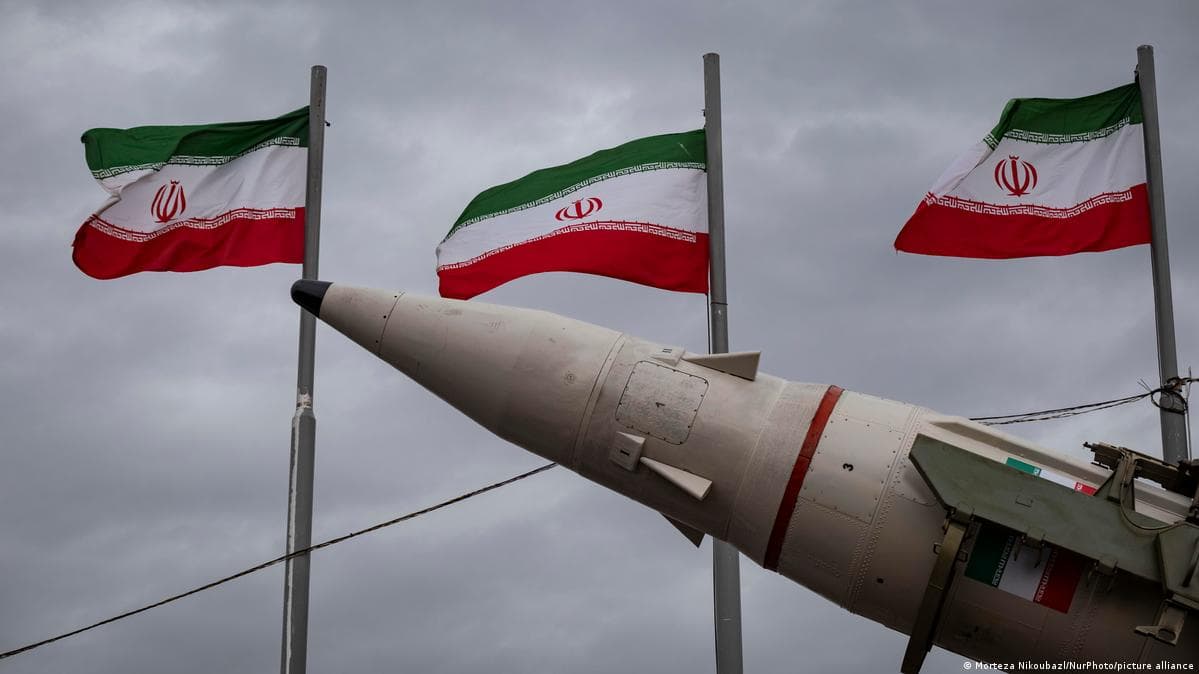
Iran has warned that any fresh economic offensive by the United States would trigger a “devastating” response, escalating tensions between the two countries as Washington prepares what it describes as the toughest financial penalties ever imposed on Tehran.
The warning came on Friday after US Treasury Secretary Scott Bessent said the administration would unveil details of its planned sanctions on Monday. President Donald Trump had earlier threatened economic consequences for countries providing “any type of lifeline to Iran”, as Washington seeks to increase pressure on the Iranian leadership.
Iran’s Armed Forces Chief of Staff, Major General Ali Abdollahi, said the country was prepared to respond across multiple fronts. “With preparedness across land, sea, air, air defence and cyberspace, Iran's armed forces will respond to the enemy's new threats with crushing, punishing and devastating responses,” Iranian media quoted him as saying.
Iranian Parliament Speaker Mohammad Baqer Qalibaf, who has been involved in mediated negotiations with Washington, said Iran would have to prepare for the sanctions while acknowledging the growing pressure on the country’s economy. “No matter how much military power we have, we won't survive if people are hungry and we don't have financial turnover, economic growth and national production,” he said, according to Iran’s IRNA news agency.
The confrontation is also weighing on global oil markets, with crude prices heading for a second consecutive weekly gain. Only seven commodity ships passed through the Strait of Hormuz on Thursday, according to Kpler data cited by Reuters, compared with more than 130 vessels a day before the war began. The waterway previously carried about one-fifth of global traded oil.
Bessent, however, said the new economic pressure campaign was not intended to trigger another major military escalation or necessarily drive oil prices higher. He described the strategy as a “one-two punch” involving the naval blockade and tougher sanctions, adding, “We are going to collapse this regime.”
Iranian Foreign Minister Abbas Araqchi rejected the US strategy, arguing that previous sanctions campaigns had failed to force Tehran to change course. He said Iran had experienced similar pressure before and insisted the latest measures would also fail.
The sanctions threat comes as Iran continues to face high inflation, currency weakness, energy shortages and damage to infrastructure, while the conflict has disrupted oil shipments through the Strait of Hormuz. China, which buys more than 80 per cent of Iran’s shipped oil, according to Kpler data cited by Reuters, has opposed the new US pressure campaign, saying sanctions and pressure would not resolve the crisis.