

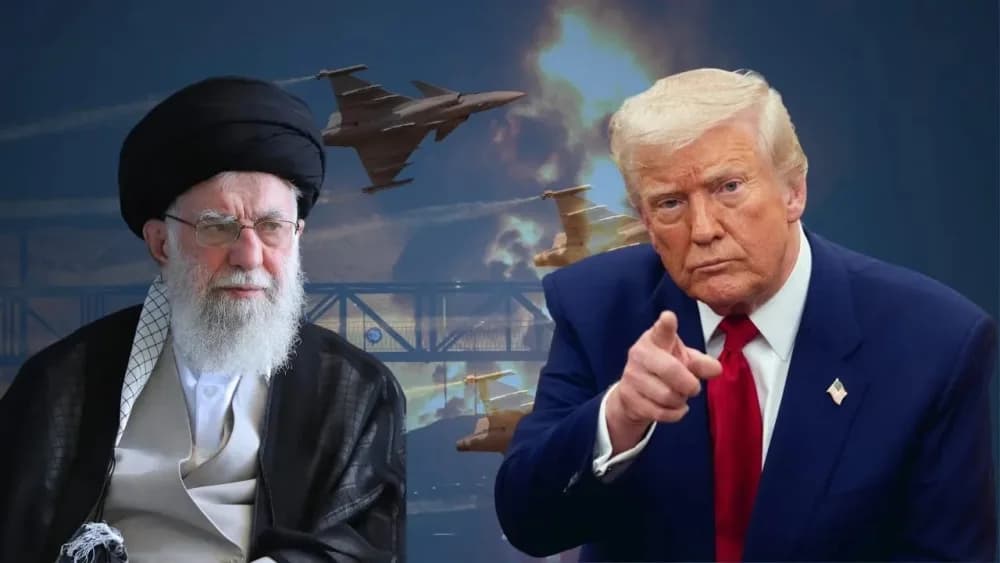
Iran has warned that oil exports from the Middle East could be halted if military strikes by the United States and Israel continue, escalating tensions in a conflict that is already rattling global energy markets.
A spokesman for Iran’s Islamic Revolutionary Guard Corps (IRGC) said the country could ensure that “not a litre” of oil leaves the region until the attacks against Iran are stopped.
The warning came amid heightened geopolitical tension in the Middle East, where the conflict has raised fears of supply disruptions across major oil shipping routes, including the Strait of Hormuz, a critical passage for global crude exports.
Iranian officials said the country would determine how and when the conflict ends, signalling that the situation could persist if military pressure from Washington and Tel Aviv continues.
The threat followed remarks from U.S. President Donald Trump, who suggested the conflict could end soon but also warned that the United States would respond forcefully if Iran attempted to block oil flows from the region.
Trump stated that any action by Iran to disrupt oil shipments through the Strait of Hormuz would trigger a significantly stronger military response from the United States.
He also indicated that additional strikes could target infrastructure in Iran if the situation escalates further, while expressing hope that such a scenario would ultimately be avoided.
The standoff has injected uncertainty into global oil markets. Earlier in the week, crude prices surged amid fears of supply disruptions, then retreated after comments suggesting the conflict could end quickly.
The remarks prompted traders to sell positions, pushing both Brent crude and West Texas Intermediate (WTI) prices back below the $100 per barrel mark after earlier gains.
However, analysts note that if the Strait of Hormuz remains effectively closed or shipping risks intensify, oil prices could resume their upward climb as markets reassess the potential impact on global supply.
The waterway handles a substantial share of the world’s seaborne oil shipments, making any disruption in the corridor a major concern for energy-importing countries and global commodity markets.