

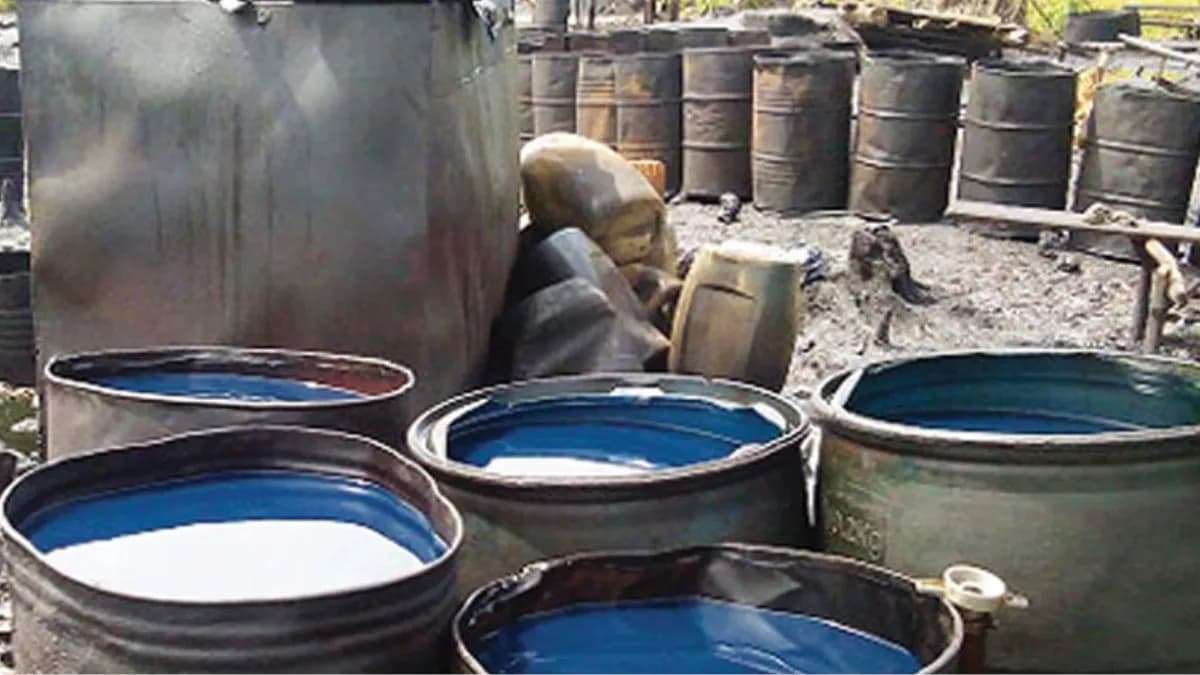



Oil theft has emerged as a significant challenge for Nigeria, severely affecting its production capabilities and compliance with its OPEC (Organisation of the Petroleum Exporting Countries) quota. The implications of these illicit activities not only disrupt the nation’s economy but also have wider repercussions for the global oil market.
Understanding the Scale of Oil Theft in Nigeria
Oil theft in Nigeria is a rampant issue, with estimates suggesting that the country loses up to $3 billion annually due to crude oil theft and illegal bunkering. According to the Nigerian National Petroleum Corporation Limited (NNPCL), this illegal activity has led to a dramatic reduction in Nigeria’s oil production levels. Reports indicate that production fell to as low as 1.2 million barrels per day (bpd) in recent years, significantly below Nigeria’s OPEC quota of 1.8 million bpdl theft can be attributed to several factors, including inadequate security measures, widespread corruption, and the involvement of organised criminal groups. The Niger Delta region, rich in oil resources, is particularly affected, where theft often occurs through sophisticated methods, such as tapping into pipelines .
Economics
The financial repercussions of oil theft are profound. With crude oil being Nigeria’s primary source of revenue, the loss from theft directly impacts government budgets and social programmes. The Nigerian economy, heavily reliant on oil exports, faces increased instability as the country struggles to meet its budgetary needs. As oil revenues decline, the government’s ability to fund critical infrastructure and public services diminishes .