

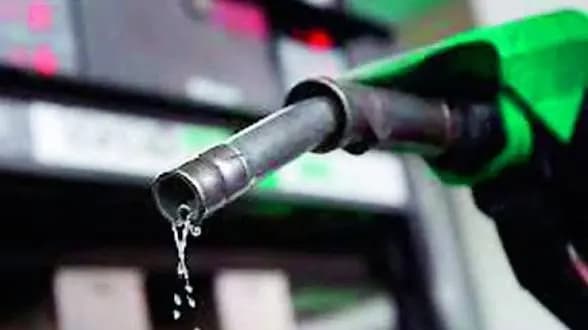
Three years after the removal of fuel subsidy on May 29, 2023, Nigeria’s downstream petroleum market has undergone a complete structural shift, pushing petrol prices from about ₦175–₦200 per litre to between ₦1,300 and ₦1,400 as of early June 2026. The development reflects a broader transition from a government-supported pricing system to a fully deregulated market driven by global crude oil trends, exchange rates, and domestic supply dynamics.
The immediate aftermath of the subsidy removal saw a sharp adjustment in pump prices, with petrol rising above ₦500 per litre within weeks. The Nigerian National Petroleum Company Limited (NNPCL) implemented the new pricing framework in line with government policy, while inflationary pressures intensified due to simultaneous naira depreciation and rising global energy costs.
As the market adjusted, Nigeria also experienced foreign exchange reforms that further shaped fuel pricing. The International Monetary Fund (IMF) had previously noted that the country was effectively operating an “implicit subsidy” system even after official removal, as retail prices were at times below landing costs. Full deregulation eventually corrected this imbalance, but also contributed to sustained price increases.
A key turning point came with the entry of the Dangote Petroleum Refinery, which initially improved supply and introduced competitive pricing in late 2024 and 2025. During that period, petrol prices briefly eased to around ₦800–₦900, offering relief to consumers and reducing import dependence.
However, global market pressures reversed some of those gains in 2026. Heightened geopolitical tensions in oil-producing regions and the crisis surrounding the straight of Harmuz disrupted crude supply chains and pushed international benchmarks higher. This led to successive increases in ex-depot prices, with local refiners adjusting rates in response to global costs, ultimately reflecting in pump prices that now average over ₦1,200 nationwide.
The impact on the economy has been significant. Transportation costs have risen sharply, feeding into higher prices of food and essential goods, while inflationary pressure remains a challenge for households and businesses. Informal sector workers and low-income earners have been particularly affected, as fuel remains central to daily mobility and small-scale economic activity.
In response, policymakers continue to defend the subsidy removal as a necessary fiscal reform aimed at reducing government debt burdens and encouraging market efficiency. While the Federal Government has ruled out a return to subsidies or fixed pricing, it has continued to promote alternatives such as compressed natural gas (CNG) to diversify energy use.
Looking ahead, analysts say Nigeria’s fuel market is entering a more price-sensitive but structurally transparent phase. The challenge now is balancing market-driven efficiency with social protection measures that can cushion vulnerable populations as the economy adapts to a permanently higher energy cost environment.