

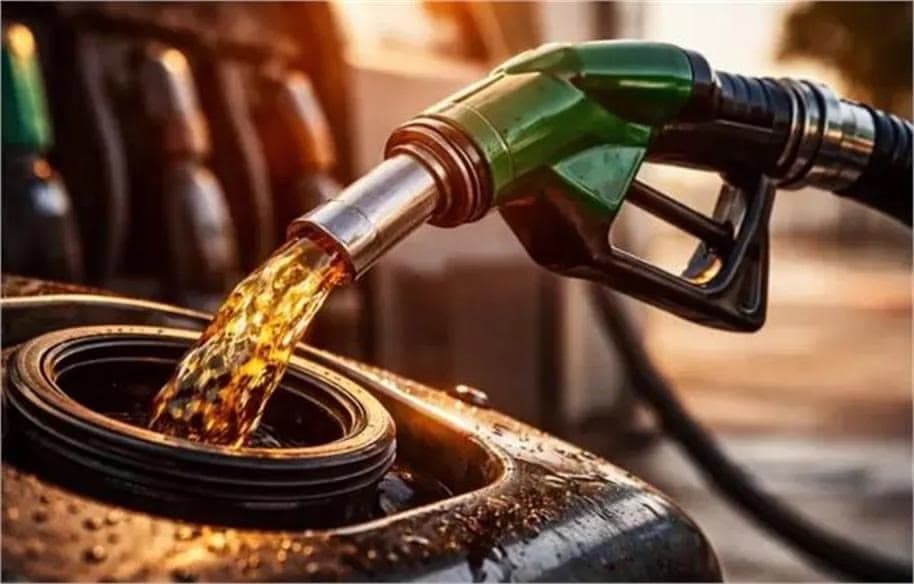
The quality of fuel purchased at filling stations can have implications for vehicle performance, making it important for motorists to recognise signs that may point to adulterated or contaminated petroleum products.
From unusual odours and changes in colour to water contamination and engine malfunctions, there are five key indicators motorists can watch out for when assessing the quality of fuel.
1. Unusual Smell
Petrol has a characteristic smell, but a sharp, sour or chemical-like odour could indicate possible adulteration. Motorists should be cautious when fuel gives off an unusual smell, although odour alone cannot confirm contamination.
2. Changes in Colour and Appearance
The appearance of fuel can also provide clues about its condition. Standard petrol is generally colourless or light yellow, while diesel is typically clear or slightly yellowish. Cloudiness, unusually dark colouring or visible particles may point to contamination.
3. Presence of Water
Water contamination is another sign to watch for, particularly during the rainy season when water can enter fuel storage facilities. When a fuel sample is placed in a suitable transparent container and allowed to settle, free water may separate from the fuel and collect at the bottom.
4. Unusual Engine Performance
Problems such as reduced engine power, difficulty starting, engine knocking or unusual noises after refuelling could indicate that the fuel is affecting vehicle performance. However, motorists should also consider other possible mechanical causes.
5. Source of Purchase
Where motorists buy their fuel can also influence the risk of purchasing substandard products. Buying from established filling stations with quality-control procedures, including outlets operated by NNPC, TotalEnergies and Mobil, may help reduce exposure to questionable fuel supplies.
While these indicators can help motorists recognise potential fuel-quality problems, they are not conclusive tests. Laboratory analysis is required to establish whether a petroleum product meets the required quality specifications.