

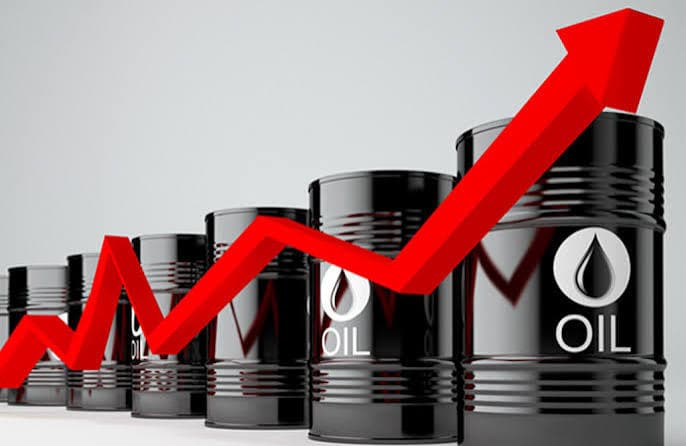
Global oil prices extended their rally for a fifth consecutive trading session on Thursday, with Brent crude climbing above $98 per barrel and moving closer to the $100 mark as renewed attacks on oil tankers in the Red Sea heightened concerns over Middle East crude supplies.
As of 10:30 a.m. WAT, Brent crude traded at $98.65 per barrel, up 4.87 percent, while West Texas Intermediate (WTI) rose 3.95 percent to $90.26 per barrel, moving above the $90 threshold.
The latest gains followed reports that Yemen's Iran-backed Houthi movement attacked two Saudi oil tankers transiting the Bab el Mandeb Strait, reinforcing concerns that one of the world's most strategic oil shipping corridors is becoming increasingly vulnerable.
The Houthis claimed responsibility for striking the vessels, alleging they had breached the naval blockade the group announced earlier this week. According to reports, one tanker was transporting Saudi crude oil to India, while the second was carrying cargo destined for China.
The incidents have prompted some vessels to avoid the Bab el Mandeb Strait, adding to shipping disruptions already affecting global energy markets.
The Red Sea route has become increasingly important for Saudi Arabia after the kingdom redirected more than 70 percent of crude exports that previously transited the Persian Gulf to the Red Sea export terminal at Yanbu, reducing reliance on the Strait of Hormuz.
Any sustained disruption along the Bab el Mandeb corridor could therefore affect a significant portion of Saudi crude exports and tighten supplies available to international buyers.
Oil prices have now gained nearly 20 percent since hostilities in the Middle East intensified about two weeks ago, reflecting growing market concern that geopolitical tensions are beginning to translate into physical supply risks.
Market analysts said the latest attacks have reinforced fears that the conflict could spread further across critical maritime trade routes, increasing freight costs, insurance premiums and delivery times for crude shipments.
The renewed escalation follows earlier warnings that instability around both the Bab el Mandeb and Strait of Hormuzcould significantly disrupt global oil flows if attacks on commercial vessels continue.
With tensions showing little sign of easing, traders are increasingly factoring the possibility of prolonged supply disruptions into oil prices, keeping crude markets on an upward trajectory as geopolitical risk premiums continue to build.