

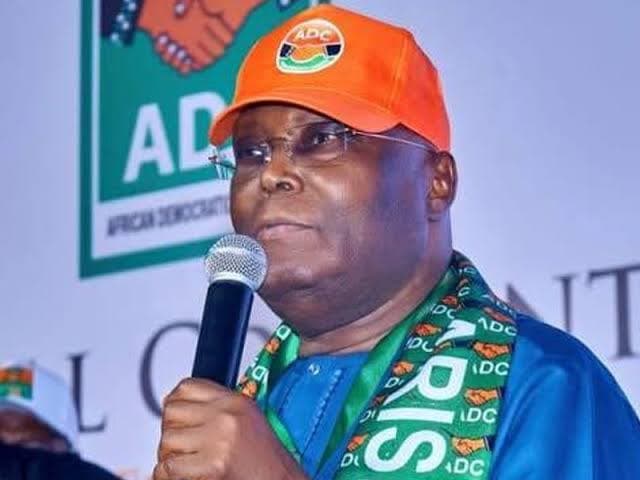
Former Vice President Atiku Abubakar has pledged to reinstate Nigeria’s fuel subsidy if he wins the presidency in the 2027 general election, arguing that the savings from its removal have not produced enough visible benefits for Nigerians.
Atiku, who is the presidential candidate of the African Democratic Congress (ADC), said he initially did not oppose the decision to remove the subsidy but has since changed his position over what he described as inadequate evidence that the resulting savings have improved key sectors of the economy.
Speaking in an interview shared on social media, the former vice president questioned how the funds saved from the subsidy removal had been deployed, particularly in healthcare, education and security.
“I initially did not oppose the removal of the fuel subsidy. But now that it has been removed, where is the money? Where has the subsidy money gone? Has it been used to improve healthcare, education or security?” Atiku said.
He said the policy had imposed significant pressure on Nigerians without delivering benefits commensurate with the economic burden created by higher petrol prices and rising living costs.
Atiku subsequently said he would reverse the policy if elected president and called for the recovery of funds he alleged had been misappropriated under the subsidy regime.
“If I win the presidential election, I will restore the subsidy. And anyone who stole Nigeria’s subsidy funds must return the money,” he added.
President Bola Tinubu announced the removal of the petrol subsidy during his inaugural address on May 29, 2023. The decision led to a sharp increase in petrol prices and contributed to higher transportation costs and broader increases in the cost of living.
The Tinubu administration has defended the policy, maintaining that the subsidy had become financially unsustainable and that eliminating it would free resources for infrastructure and other government priorities.
The government has also pointed to increased monthly allocations to states and investments in infrastructure as part of the benefits associated with its economic reforms.
Atiku’s latest position marks a shift from his earlier stance on subsidy removal. He had previously indicated that he did not oppose ending the programme but is now arguing for its restoration based on his assessment of its economic consequences and the use of the funds previously spent on subsidies.
The subsidy debate is expected to remain a major issue ahead of the 2027 presidential election, with opposition politicians focusing on the impact of petrol prices on households and businesses, while the government continues to defend the wider reform programme.
Atiku is seeking to unseat Tinubu, the presidential candidate of the All Progressives Congress (APC), in the 2027 presidential contest. His candidacy under the ADC places the subsidy question among the economic issues likely to feature prominently in the election campaign.